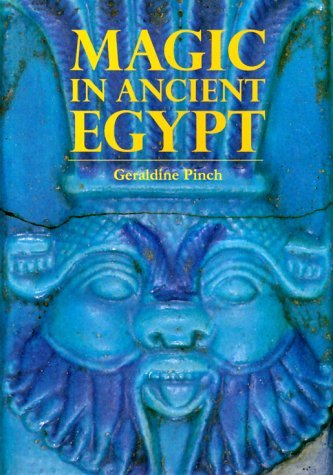
Magic in Ancient Egypt by Geraldine Pinch
Magic in Ancient Egypt by Geraldine Pinch
🚚 ক্যাশ অন ডেলিভারি সারা বাংলাদেশ 🕒 ৭২ ঘন্টার মধ্যে সারা দেশ এ ডেলিভারি
Couldn't load pickup availability
Magic in Ancient Egypt by Geraldine Pinch
Pinch systematically breaks down the history of Egyptian magic, moving from abstract theology to the physical artifacts found in tombs and domestic ruins. The text balances archaeological data, translations of magical papyri, and cultural analysis.
The handbook's structural journey is organized into several primary investigative areas:
1. Defining Heka: The Cosmic Engine
The book begins by introducing Heka, both a concept and a personified deity. Pinch explains that magic was not considered sinful, unnatural, or heretical. Instead, it was an essential gift from the gods to humanity, acting as a defensive weapon to ward off bad fortune, disease, and chaotic cosmic entities like Apophis, the great serpent of darkness.
2. The Practitioners of the Craft
Pinch dispels the myth of the lone, secretive witch or wizard hiding in a cave. In Egypt, the primary magicians were highly educated, elite state officials:
-
Lector Priests (Kher-heb): The guardians of the temple libraries, who alone possessed the literacy to read the sacred, powerful spells written on ancient hieroglyphic rolls.
-
Magician-Physicians (Swnw): Medicine and magic were entirely integrated. A doctor would set a broken bone or administer an herbal remedy while simultaneously reciting a spell to drive out the spiritual demon causing the affliction.
Pinch guides the reader past the exoticism of the artifacts to understand the underlying psychological and practical motivations of the people who used them:
1. Mythological Precedent (The Principle of Analogy)
A primary mechanism of heka was invoking the past actions of the gods to heal or protect a human in the present. For example, if a child was bitten by a scorpion, the magician would recite a spell recounting how the goddess Isis successfully healed her infant son, Horus, from a similar deadly sting. By stepping into the cosmic roles of Isis and Horus, the human magician and patient re-enacted a divine victory, forcing the physical poison to leave the body.
2. Defensive Material Culture (Amulets and Wands)
Pinch dedicates substantial analysis to everyday defensive items. She explores the widespread use of amulets—such as the Eye of Horus (Wedjat) for wholeness, the Scarab for rebirth, and the Djed Pillar for stability—worn by both the living and wrapped inside the bandages of mummies. She also highlights curved "magic knives" or wands carved from hippopotamus ivory, which were used to draw protective circles in the dirt around sleeping mothers and infants to ward off malicious night-demons.
Language: English.
Genre: Mythology.
Binding: সেলাই করা বাইন্ডিং
Quality: Premium Quality Books.
Printing: High Quality Printing.
Paper: Eye Friendly paper (Cream White)
Cover: Matt cover (Paperback).