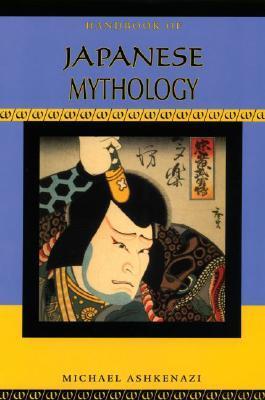
Handbook of Japanese Mythology by Michael Ashkenazi
Handbook of Japanese Mythology by Michael Ashkenazi
🚚 ক্যাশ অন ডেলিভারি সারা বাংলাদেশ 🕒 ৭২ ঘন্টার মধ্যে সারা দেশ এ ডেলিভারি
Couldn't load pickup availability
Handbook of Japanese Mythology by Michael Ashkenazi
Handbook of Japanese Mythology is a comprehensive and accessible exploration of the myths, legends, gods, spirits, and supernatural traditions of Japan. Michael Ashkenazi draws on a wide range of Japanese sources to introduce readers to a fascinating mythological world shaped by Shinto beliefs, Buddhism, folklore, and centuries of cultural tradition.
The book explores important figures such as Amaterasu, Susanoo, and Izanagi and Izanami, alongside kami, yokai, legendary heroes, sacred places, and traditional stories. Ashkenazi also explains the cultural meanings behind these tales, showing how Japanese mythology has influenced religion, literature, art, customs, and everyday life.
Rich in historical and cultural context, Handbook of Japanese Mythology is an excellent resource for students, researchers, and general readers interested in Japanese culture and mythology. It offers a deeper understanding of the stories and supernatural traditions that have helped shape Japan’s cultural imagination.
Language: English.
Genre: Mythology.
Binding: সেলাই করা বাইন্ডিং
Quality: Premium Quality Books.
Printing: High Quality Printing.
Paper: Eye Friendly paper (Cream White)
Cover: Matt cover (Paperback).