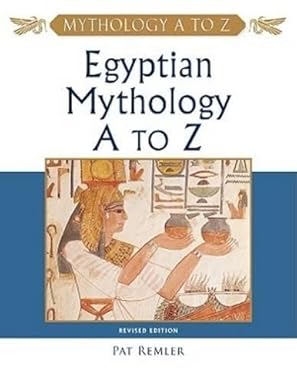
Egyptian Mythology a to Z by Pat Remler
Egyptian Mythology a to Z by Pat Remler
🚚 ক্যাশ অন ডেলিভারি সারা বাংলাদেশ 🕒 ৭২ ঘন্টার মধ্যে সারা দেশ এ ডেলিভারি
Couldn't load pickup availability
Egyptian Mythology a to Z by Pat Remler
Because ancient Egyptian religion mutated across multiple dynastic kingdoms and competing theological capitals (such as Heliopolis, Memphis, and Thebes), chronological histories can be incredibly confusing for beginners. Remler addresses this by using an alphabetical, heavily cross-referenced dictionary format. This structural blueprint allows readers to look up a specific name while immediately tracking how that figure relates to the broader cosmic order.
The encyclopedia comprehensively maps out several distinct facets of the Egyptian worldview:
-
The Pantheon of Deities: Deep-dive profiles detailing the appearance, family lineages, and roles of core gods like Osiris (lord of the dead), Isis (goddess of magic and motherhood), Horus (the falcon-headed champion of kingship), and Anubis (the jackal-headed embalmer).
-
The Architecture of the Afterlife: Clear definitions of the components that made up an ancient human soul, separating the Ka (life force), the Ba (personality), and the Akh (the glorified spirit), alongside deep dives into the mechanics of mummification.
-
Sacred Objects and Symbols: Highly scannable entries explaining the cultural significance of everyday protective amulets, such as the Ankh (symbol of life), the Eye of Horus (Wadjet), the Djed pillar, and the ubiquitous scarab beetle.
-
Monuments and Sacred Centers: Historical overviews of vital cult centers, geographical regions, and structures, including the Valley of the Kings, the Great Pyramids, and the underworld landscape of the Duat.
Beyond providing basic narrative summaries, Remler contextualizes her reference entries by highlighting the fundamental concepts that governed the ancient Egyptian psyche:
1. The Cult of Eternity
The book dismantles the common misconception that the ancient Egyptians were morbidly obsessed with death. Remler demonstrates through her entries on funerary texts (like the Book of the Dead) that they were actually profoundly obsessed with life. Every elaborate spell, tomb painting, and mummification bandage was engineered as an aggressive defensive technology designed to cheat death entirely and guarantee a blissful, eternal continuation of their earthly existence in the Field of Reeds.
2. Animal Iconography as Living Code
Remler expertly explains the logic behind Egypt's famous zoomorphic (animal-headed) deities. The text teaches readers that the Egyptians did not literally believe their gods were humans with animal heads; rather, the animals served as an elegant visual shorthand. A god was given the head of a jackal (Anubis) because jackals patrolled cemetery borders, or the head of a lioness (Sekhmet) because lionesses represented fierce, unyielding predatory power.
Language: English.
Genre: Mythology.
Binding: সেলাই করা বাইন্ডিং
Quality: Premium Quality Books.
Printing: High Quality Printing.
Paper: Eye Friendly paper (Cream White)
Cover: Matt cover (Paperback).