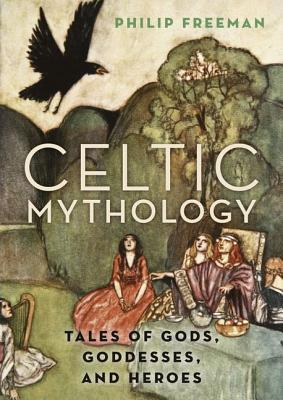
Celtic Mythology: Tales of Gods, Goddesses, and Heroes by Philip Freeman
Celtic Mythology: Tales of Gods, Goddesses, and Heroes by Philip Freeman
🚚 ক্যাশ অন ডেলিভারি সারা বাংলাদেশ 🕒 ৭২ ঘন্টার মধ্যে সারা দেশ এ ডেলিভারি
Couldn't load pickup availability
Celtic Mythology: Tales of Gods, Goddesses, and Heroes by Philip Freeman
Book Overview & Structural Framework
Rather than treating the Celtic world as a monolith, Freeman structurally divides the book by geography and surviving manuscript cycles. This division respects the historical differences between the Insular Celts of the British Isles and the Continental Celts of mainland Europe.
The handbook's narrative blueprint is organized into four primary domains:
1. The Myths of Ireland (The Insular Core)
The vast majority of the book focuses on Ireland, which boasts the richest surviving vernacular literature in the Celtic world. Freeman breaks this down into its classic medieval cycles:
-
The Mythological Cycle: The prehistoric battles for Ireland involving the Tuatha Dé Danann (the people of the goddess Danu), supernatural masters of magic who were later forced underground to become the fairy folk (Sidhe).
-
The Ulster Cycle: The gritty, iron-age heroic epics centered on the warrior Cú Chulainn (the Hound of Ulster) and the grand cattle raid orchestrated by Queen Medb of Connacht.
-
The Fenian Cycle: The more romantic, woodland adventures of Fionn mac Cumhaill and his band of mercenary warriors, the Fianna.
Freeman looks past the literal plots to explain the unique cultural psychology that distinguished Celtic worldview from Greek or Roman thought:
1. The "Otherworld" and Liminality
A definitive theme in Celtic myth is the proximity of the Otherworld (known variously as Tír na nÓg or Avalon). Unlike the distant heavens or underworlds of other cultures, the Celtic Otherworld existed right alongside our physical reality. Freeman details how it was accessed through "liminal" spaces—geographic thresholds like caves, deep lakes, burial mounds, or misty islands. It was also highly accessible during liminal times of the year, particularly Samhain (modern Halloween), when the veil between realities thinned completely, allowing mortals and spirits to cross paths freely.
2. The Sovereign Goddess
In Celtic narrative, the land itself was viewed as a powerful, living female entity. To become a legitimate king, a mortal ruler had to metaphorically or ritually marry the Goddess of Sovereignty. If the king was just, brave, and physically unblemished, the land flourished with crops and cattle; if he was corrupt or weak, the goddess transformed into a haggard, terrifying crone, causing the kingdom to turn into a barren wasteland.
Language: English.
Genre: Mythology.
Binding: সেলাই করা বাইন্ডিং
Quality: Premium Quality Books.
Printing: High Quality Printing.
Paper: Eye Friendly paper (Cream White)
Cover: Matt cover (Paperback).